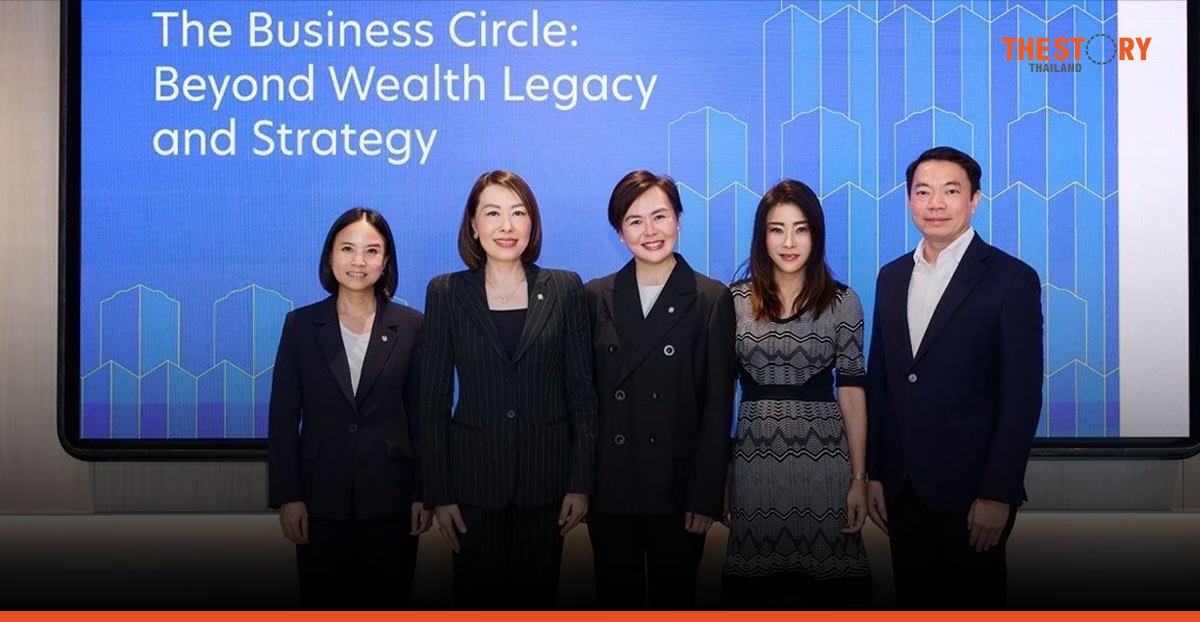
ธนาคารยูโอบี ประเทศไทย ร่วมกับที่ปรึกษากฎหมาย Baker McKenzie จัดงานสัมมนา “Beyond Wealth Legacy and Strategy” ภายใต้โครงการ The Business Circle เพื่อแบ่งปันองค์ความรู้ด้านกฎหมาย ภาษี และการบริหารความมั่งคั่งแก่ผู้ประกอบการไทยกว่า 60 ครอบครัวธุรกิจ ท่ามกลางสภาวะที่ธุรกิจครอบครัวในประเทศไทยกำลังเผชิญความท้าทายในการส่งต่อกิจการสู่คนรุ่นใหม่ โดยข้อมูลจาก McKinsey ระบุว่า ธุรกิจครอบครัวไทยกว่า 70% ยังไม่มีแผนการสืบทอดธุรกิจที่ชัดเจน ซึ่งอาจส่งผลกระทบต่อความเป็นเจ้าของ การกำกับดูแล และภาวะผู้นำ ขณะที่ในภูมิภาคเอเชียแปซิฟิกคาดว่าจะมีมูลค่าการส่งต่อสินทรัพย์ระหว่างรุ่นราว 6 ล้านล้านดอลลาร์สหรัฐ ภายในปี 2573
วีระอนงค์ จิระนคร ภู่ตระกูล กรรมการผู้จัดการ Deputy CEO และ Wholesale Banking ธนาคารยูโอบี ประเทศไทย เผยว่า ธุรกิจครอบครัวไทยจำนวนมากประสบความสำเร็จในการเติบโต แต่เมื่อเข้าสู่ช่วงเปลี่ยนผ่านสู่คนรุ่นถัดไป ต้องเผชิญโจทย์ซับซ้อนทั้งด้านบริหารธุรกิจ ความมั่งคั่ง และบทบาทสมาชิก ธนาคารจึงมุ่งสร้างพื้นที่แลกเปลี่ยนองค์ความรู้ผ่านโครงการ The Business Circle เพื่อช่วยวางรากฐานการเติบโตจากรุ่นสู่รุ่น
ด้าน ดร.ปริมญดา ดวงรัตน์ ทนายความหุ้นส่วน Baker McKenzie ให้ความเห็นว่า ความท้าทายของการส่งต่อความมั่งคั่งไม่ได้อยู่ที่เรื่องทรัพย์สินเพียงอย่างเดียว แต่ต้องเตรียมพร้อมทั้งโครงสร้างการถือครอง การบริหารความเสี่ยงทางกฎหมายและภาษี รวมถึงการสร้างความเข้าใจร่วมกันในครอบครัว การวางแผนล่วงหน้าจะช่วยลดความขัดแย้งและสร้างความมั่นคงให้ธุรกิจ
ภายในงานสัมมนาได้นำเสนอกรอบ 3S เพื่อเป็นแนวทางวางแผนการส่งต่ออย่างเป็นระบบ ได้แก่:
- Structure (วางรากฐานความมั่งคั่งข้ามรุ่น): การจัดโครงสร้างถือครองธุรกิจและทรัพย์สินให้ชัดเจน เช่น การจัดตั้ง “บริษัทโฮลดิ้งครอบครัว (Family Holding Company)” เพื่อรวมการถือครองหุ้นและทรัพย์สินไว้ในที่เดียว ช่วยลดความเสี่ยงทรัพย์สินกระจัดกระจาย เพิ่มความชัดเจนด้านอำนาจบริหาร และให้ประโยชน์ทางภาษีเงินปันผลหรือภาษีมรดกตามหลักเกณฑ์กฎหมาย รวมถึงการใช้ “ทรัสต์ในต่างประเทศ (Offshore Trust)” สำหรับครอบครัวที่มีสินทรัพย์หรือสมาชิกในต่างประเทศ เพื่อปกป้องสินทรัพย์และกำหนดเงื่อนไขการจ่ายผลประโยชน์
- Safeguard (ปิดความเสี่ยงก่อนส่งต่อความมั่งคั่ง): การสร้างกลไกจัดการความเสี่ยงทางกฎหมายและความสัมพันธ์ เช่น การป้องกันภาวะชะงักงันในการตัดสินใจ (Deadlock) โดยกำหนดสิทธิ หน้าที่ และวิธีแก้ไขข้อขัดแย้งไว้ล่วงหน้า การจัดทำพินัยกรรมให้สอดคล้องกับกฎหมายในแต่ละประเทศ และการทำสัญญาก่อนสมรส (Prenuptial Agreement) เพื่อแยกทรัพย์สินครอบครัวออกจากสินสมรส
- Succession (ส่งต่อความมั่งคั่งอย่างยั่งยืนด้วยธรรมนูญครอบครัว): การใช้ “ธรรมนูญครอบครัว (Family Constitution)” เป็นกลไกกำหนดกติการ่วมกัน เช่น บทบาทหน้าที่ หลักเกณฑ์การทำงาน การคัดเลือกผู้นำ และการจัดการข้อขัดแย้ง เพื่อสร้างความเข้าใจร่วมกันระหว่างรุ่น นอกจากนี้ การส่งต่อคุณค่าและวิสัยทัศน์ผ่านกิจกรรมเพื่อสังคม (Philanthropy) ยังช่วยเชื่อมโยงสมาชิกที่ไม่ได้บริหารงานโดยตรงให้มีส่วนร่วมกับเป้าหมายของครอบครัว
สัมมนาครั้งนี้เป็นส่วนหนึ่งของโครงการ The Business Circle แพลตฟอร์มระดับภูมิภาคของธนาคารยูโอบี ที่มุ่งเชื่อมโยงผู้นำธุรกิจรุ่นใหม่และธุรกิจครอบครัวทั่วอาเซียนผ่านเครือข่ายและการแลกเปลี่ยนองค์ความรู้ เพื่อสนับสนุนให้ธุรกิจครอบครัวเติบโตและส่งต่อความมั่งคั่งได้อย่างมั่นคงในระยะยาว
ข่าวอื่น ๆ ที่น่าสนใจ
‘รู้ใจ’ ชู AI-Driven ยกระดับประกันดิจิทัล พร้อมสยายปีกพอร์ต Non-Motor แตะ 20%
LINE เตรียมส่ง ‘MyTeam’ อุดรอยรั่วข้อมูลแบรนด์ โชว์ความสำเร็จ LINE Premium ทะลุ 3 ล้านบัญชี